

How to Use Virtual Offices to Host Sessions for Coaching Business in 2024
Are you looking to start a coaching business in 2024? Today, people skilled in a certain field don’t hesitate to set up sessions to share their knowledge with others. And the best part is they incorporate virtual offices while hosting sessions for their coaching business. No doubt you’re wondering how virtual offices come into the picture. In this post, you’ll discover four tips for using virtual offices to host sessions for your coaching business in 2024 and three reasons. 4 Tips for Using Virtual Offices to Host Sessions for Your Coaching Business in 2024 1. Select a Reliable Virtual Office Provider The first thing to watch out for if you’re considering a virtual office for your coaching business is your office provider. Since your virtual office is crucial to your business image, you’d undoubtedly want access to top-notch virtual services. For these, a reliable virtual office provider is needed. But how do you know if a virtual office provider is credible? An effective way of doing so remains to examine their online reviews and ratings. Compare their reviews with other providers and narrow down your choice. Of course, for your coaching business, it comes down to how well you make good use of the virtual office and its services. That said, you want to ensure the virtual office you choose has all the essential services in the first place. Thus, you need a good and reliable virtual provider. 2. Take Advantage of the Provided Flexibility Today, technology has influenced the way businesses operate. That also applies to coaching businesses. To reach more audiences, they’ve established an internet presence and gone as far as hosting sessions online. The nature of virtual offices fully supports this. You don’t need to limit your outreach to only people in your area. You can attend to anyone from anywhere. All you need to do is test out your video and audio connection. Before that, you’ll need to choose the best video conferencing platform for your coaching sessions. For a smoother experience, you may decide to invest in audio and video equipment. 3. Properly Utilize Online Collaboration Tools In addition to choosing a reliable video conferencing platform, you’ll also need a method of file-sharing. Depending on your coaching business, collaboration tools are a great option. With these tools, you can share educational resources, schedule appointments, and track progress. Used alongside video conferencing platforms, you can effectively communicate with clients and help them learn the intended skills effectively. 4. Lookout and Adapt to Technology Changes If there’s a downside to using virtual offices for your coaching business, it remains the fact that you can’t see your clients face-to-face (in most cases). That’s why you need online tools to successfully host your sessions and retain the professional benefits a virtual office provides. For these reasons, you need to stay updated with the latest technology releases regarding virtual coaching. Don’t miss out on new tools that may help enhance your experience. In addition, consider collecting feedback from your clients and adapting to the tools that suit them most. For instance, if the majority of your clients prefer Zoom over Google Meet, making that change will improve their experience. By applying these four tips, you can effectively use virtual offices to host sessions for your coaching business. But why should you even consider virtual offices in the first place? You may say: “I understand they’re important. But do they really offer any benefits to coaching businesses?” Below are three benefits of a virtual office, tailored to coaching businesses. Why Should You Consider Virtual Offices for Your Coaching Business? 1. It saves the cost of having and maintaining a traditional office space For a coaching business, conveniently getting lots of clients in your area is easier said than done. Thus, it makes no sense to get a traditional office space and spend tons to maintain it for sessions. In a world where everything is done online, you can advertise your business on the net and get clients from anywhere in the world. A virtual office, in this case, offers you a business address and phone answering services to create and maintain a well-desired “professional image” for credibility. You can also use the provided business address to complete your site and Ads. By making use of the online tools discussed above, you can host sessions with ease remotely. And the good part? You’ll have access to physical meeting rooms which you can use to cater to any local clients you have. The best part? You get access to that meeting room for a lot cheaper than traditional office spaces. 2. It saves time and energy for commuting As a coach, you don’t need to frequently move to an office space to meet up with clients. As seen above, you only do so when you have local clients to cater to. Since you work remotely, you save time and energy, thereby contributing to a better work-life balance. It’s noteworthy that you don’t need to use your physical meeting room to always meet with clients in your area. Depending on your coaching business and their preferred learning environment, you can meet with local clients remotely. It saves time for both parties. 3. It offers flexibility in timing As we’ve seen, one of the best benefits of a virtual office seems to be the flexibility it offers. It helps you to meet with people from around the globe. But it doesn’t stop there. Another way the flexibility helps is in the time you choose to host your sessions. What does that mean? For example, if your sessions are in-person, it’s obvious only people in your area (the same time zone) can attend. However, virtual coaching allows you to meet up with people from around the globe (different time zones). True, they can all connect to your session at the same time. But what if there’s a division? Say half of your audience is only available at a certain period and the other half another


Why Virtual Office Is A Good Option For Startups
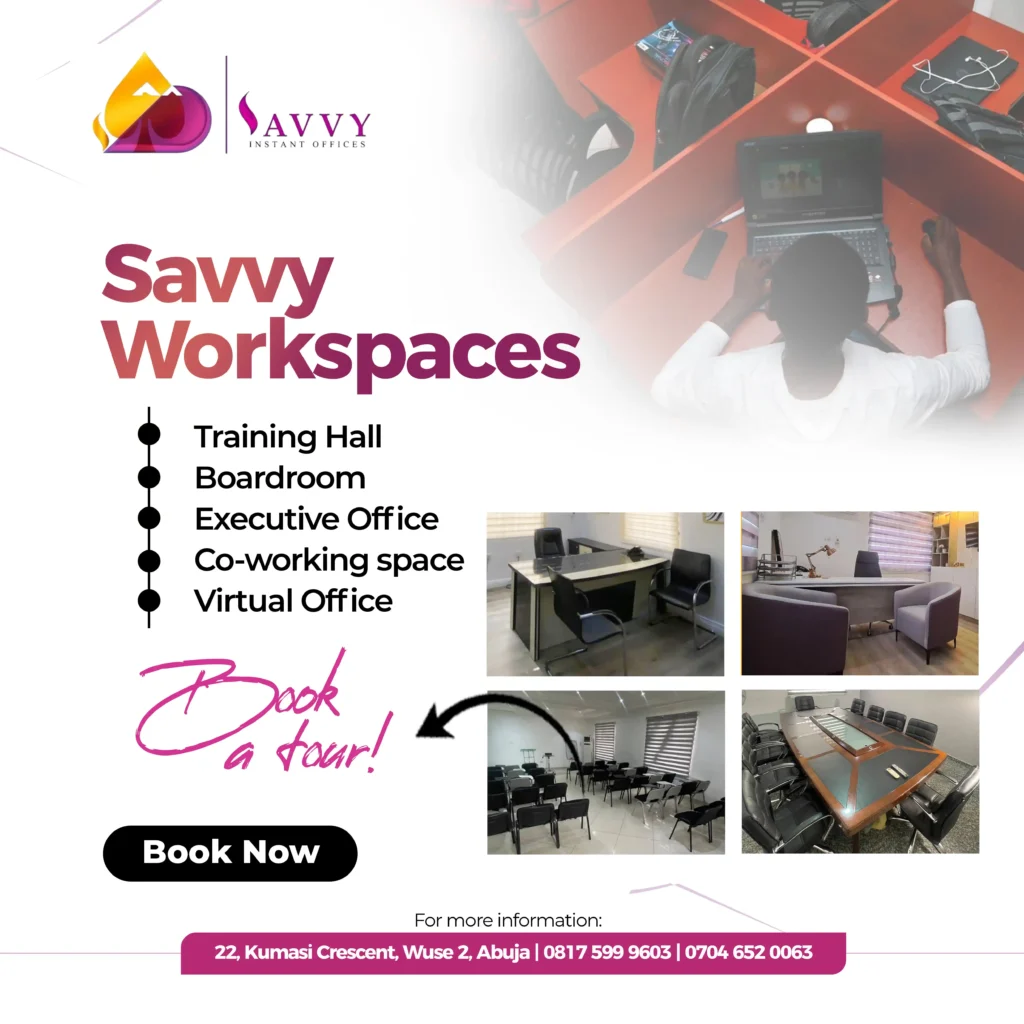
Choosing a virtual office plan presents a cost-effective and flexible alternative for entrepreneurs, startups, and small businesses, offering a myriad of benefits without the constraints of traditional office spaces or coworking facilities. Could a virtual office align with the needs of your startup? A virtual office is not about renting physical office space but gaining access to a number of services to boost your professional image while working remotely. These services often include: Ideal for Start-Ups: Starting a business from the comfort of your home is a common thing amongst entrepreneurs. However, as these ventures gain momentum, the need for a professional business image and a physical presence becomes evident. Here, a virtual office serves as an important step, offering startups a crucial transition point toward establishing a tangible presence without the financial commitment of renting a dedicated office space. The appeal of a virtual office lies in its adaptability to diverse needs. Whether the goal is to project a polished and professional image or find a balance between financial prudence and operational efficiency, the virtual office model proves itself as an ideal solution. This flexibility allows startups to customize their approach, choosing services that align with their specific requirements without the constraints associated with traditional office rentals. A virtual office offers a practical and cost-effective solution for startups seeking a professional image without the initial burden of a traditional office. It allows entrepreneurs to present a professional front for clients and partners while keeping costs manageable. Key Benefits of a Virtual Office: 1. Professionalism: Improve your business image with a business address and meeting space, showcasing a professional and trustworthy demeanor. 2. Affordability: Significantly lower costs compared to traditional office spaces, making it an economical choice for startups. 3. Dedicated Services: Enjoy time-saving benefits, such as free wifi, free coffee/tea and access reliable communication tools like video conferencing. 4. Flexibility: Work from any location, adapting to your schedule and responsibilities without being tethered to a fixed office space. 5. Productivity: Cut down on commuting time, allowing more focus on business tasks, and choose a conducive work environment for increased productivity. 6. A Flexible Workforce: Manage a remote team efficiently, offering flexibility that modern employees value. 7. Access to Talent: Broaden your recruitment pool beyond geographical constraints, potentially hiring talent from diverse locations. Virtual Office Costs The flexibility extends to costs, with most virtual office services offering yearly payment options. With this, businesses can tailor their financial commitments to align with their operational requirements. The annual cost of virtual office services in Nigeria is contingent upon factors such as the scope of services, geographical location, and service provider. Ranging between N100,000 to N150,000, this pricing model presents an attractive and cost effective alternative for businesses seeking professional infrastructure without hefty financial burden associated with traditional office rents. If you decide to choose the virtual office route, ensure you have the necessary equipment and software to optimize its benefits. Consider essentials like a reliable phone system, a laptop, cloud-based email and file-sharing services, productivity software, and video conferencing tools. As your business grows, you may find that a virtual office remains a suitable choice or that transitioning to a physical office becomes the next logical step. Whether you continue with a virtual office or explore coworking spaces and serviced offices like Savvy Instant Offices who offer range of services including Virtual Office packages, office spaces, workstation, training hall, boardroom and more, the flexibility allows your business to adapt to its changing needs. Your thoughts?

Why Employees’ Mental Health Is Important In The Workplace
Today, we will shed light on a topic often whispered about but seldom discussed openly, that is the mental well-being of an organization’s most valuable asset: the employees. It’s no secret that employees are the cornerstone of an organization. Therefore, their well-being is not just a priority, it is an investment in the organization’s growth. In light of several challenges we face as a country, from insecurity to high inflation and personal issues, taking proactive steps to address your employees’ mental health is very important. These issues significantly impact overall performance. Remember, when mental health suffers, so does their ability to bring their best selves to work. To empower employees to thrive, you must cultivate a workplace that is both physically and psychologically safe. The journey begins with open communication, particularly concerning mental health. It’s a fundamental step toward creating an environment where employees feel heard, supported, and valued. Why It Matters: 1. It Boosts Performance: Mental health affects how well your team works. Addressing it means better performance overall. 2. Prevents Burnout: Catching signs of burnout early helps us create a workplace that is healthier and happier. 3. Keeps the Team Happy: A workplace that cares about mental health makes your team feel seen and heard. By addressing mental health openly, you will create a workplace culture that transcends the ordinary – a culture that values not just the output but the well-being of every individual within the organization.

How To Create The Perfect Playlist In Coworking Space For Maximum Productivity
Finding the right balance between work and inspiration is crucial. One often-overlooked but powerful tool for enhancing productivity is the carefully curated playlist. Scientific studies have shown that music can significantly influence our mood and cognitive functions. The right tunes can boost creativity, focus, and overall well-being. These studies consistently demonstrate that music is a potent influencer, capable of eliciting a range of emotional and cognitive responses. 1. Mood Enhancement Scientific evidence supports the idea that music has the power to shape and modulate our emotional states. Different genres, tempos, and melodies can evoke specific emotions, from uplifting and joyful tunes to more calming and reflective compositions. The psychological effects of music extend beyond mere enjoyment, as it has been observed that the right musical choices can actively contribute to improving one’s mood. 2. Cognitive Functions Music is not only an emotional stimulant but also a cognitive enhancer. Various studies have revealed that exposure to certain types of music can positively impact cognitive functions such as memory, attention, and problem-solving skills. The rhythmic and melodic elements of music can synchronize with brainwaves, potentially optimizing neural pathways and cognitive processing. 3. Creativity Boost The influence of music on creativity is particularly noteworthy. Researchers have found that certain types of music, especially those with moderate levels of complexity and novelty, can stimulate creative thinking. The right tunes can inspire innovative ideas, break mental blocks, and foster a conducive environment for the generation of novel solutions and concepts. 4. Focus and Concentration Music has the remarkable ability to enhance focus and concentration. Studies indicate that individuals who listen to music while working on tasks requiring attention and concentration often perform better and report a higher level of engagement. The rhythmic elements of music may help establish a consistent pace, aiding in the maintenance of attention over extended periods. 5. Overall Well-Being The cumulative impact of music on mood, cognition, and creativity contributes to an individual’s overall well-being. Engaging with music that resonates with personal preferences can create a positive and enriching environment, promoting mental health and a sense of fulfilment. In a coworking environment, music becomes more than just background noise – it becomes the soundtrack to your workday. Before diving into creating a playlist, take a moment to reflect on your musical tastes. Are you motivated by energetic beats, soothed by mellow melodies, or does instrumental music help you concentrate? Knowing your preferences is the first step in curating a playlist that resonates with your unique working style. Create a playlist that adapts to the rhythm of your workday. Upbeat tracks kickstart your morning, while calming tunes may be ideal for those deep focus sessions. Having a diverse selection ensures your playlist is as dynamic as your workload, helping you seamlessly transition between tasks with the right songs playing in the background. Take advantage of collaborative playlist features on platforms like audiomack, Spotify, and more. You can connect with your fellow coworkers or workspace community members to create a playlist that resonates with a workflow. This will not only allow you expand your taste in music courtesy of other people’s choices, but also give room to connect with fellow coworkers or community members to share ideas. Your coworking journey is personal, and so should be your playlist. By understanding your musical preferences, adapting to the tasks at hand, collaborating with fellow coworkers, syncing with your workspace’s ambiance, and keeping your playlist fresh, you can create a musical backdrop that turns your shared workspace into a symphony of productivity and enjoyment.

How to Reach Your Income Goal with Virtual Offices in 2024
The concept of a typical workplace is fast altering in the dynamic terrain of the modern workforce. The rise of virtual offices is transforming how individuals and organizations operate as we approach 2024. This move not only allows for more flexibility in work arrangements, but also offers up new paths for achieving financial goals. In this article, we will look at the complexities of virtual workplaces and ways to maximize their financial potential. What Are Virtual Offices? The typical 9-to-5 office model no longer serves as the main foundation for professional success. As technology continues to cross geographical distances and transform the way we work, virtual offices have grown in popularity. A virtual office is essentially a digital platform that allows people to operate remotely while yet projecting a professional image. A virtual address, mail processing services, remote communication tools, and virtual meeting rooms are all important components of a virtual office. These components combine to form an infrastructure that encourages productivity and connectedness regardless of physical location. All these features of a virtual office are useful in generating income in 2024 through a variety of ways which we will now consider. 7 Ways to Generate Income Using Virtual Offices in 2024 The following are business strategies to employ with the aid of virtual offices. These ideas, although already becoming mainstream, will see increased adaptation in 2024. They include – 1. Freelancing Freelancing and remote job options are two of the most straightforward and accessible ways to make money with virtual offices. Platforms such as Upwork, Fiverr, and Freelancer match freelancers with clients looking for a variety of services. Working from a co-working space or virtual office is a great option for freelancers due to its flexibility. For example, you may choose to work from the virtual office only during intensive projects. To successfully generate income with virtual offices, take the following steps – 2. Starting an Ecommerce Business E-commerce businesses generate income by selling goods and/or services. In 2024, starting an e-commerce business with virtual offices entails combining regular e-commerce techniques with the benefits of virtual offices. After all, without the need for a real office, virtual offices give a formal business address, mail processing services, and meeting places. And all of these are vital for a business to thrive. To start an e-commerce firm with a virtual office means incorporating the flexibility and professionalism that virtual office services provide into the standard e-commerce business strategy. This method not only allows for remote labor, but it also boosts the general credibility and efficiency of your e-commerce enterprise. E-commerce can be used in the following ways: 3. Coaching and Consulting Virtual offices are transforming the coaching and consulting scene in 2024, revolutionizing how professionals operate and connect. These virtual hubs offer a renowned business address, which fosters confidence and trust. Mail handling services by these offices provide consistent administrative support, while virtual meeting spaces across geographical boundaries allow for global consultations. The impact is enormous – professionals may now create a genuinely global clientele, giving tailored services without being bound by physical boundaries. This not only increases professionalism but also flexibility, reflecting the changing nature of coaching and consulting in a digitally connected world where success is judged by global reach and bespoke, tech-driven solutions. Some other benefits in the coaching and consulting sector include the following – 4. Organizing Online Webinars and Classes The impact of virtual offices on online webinars will be higher in 2024, ushering in a new era of accessibility and interaction. These virtual environments act as command centers for webinar hosts, providing a professional backdrop as well as streamlined administrative assistance. The flawless coordination of virtual meeting places will foster lively, wide-reach webinars. Attendees benefit from the elimination of geographical boundaries, as they can participate in interactive sessions from anywhere on the planet. This virtual revolution not only improves the professionalism of online webinars, but it also democratizes knowledge distribution, making education and cooperation more inclusive and accessible to a wide range of people. Note the following about using virtual offices for online webinars and classes: 5. Creating Websites By 2024, virtual offices will transform website creation. They provide a professional touch by providing a company address and efficient administrative support. Virtual meeting places facilitate remote team cooperation while also encouraging creativity. These virtual offices serve as primary planning hubs, promoting effective collaboration. They allow for global collaboration and various innovative website designs. Virtual offices are crucial tools for producing dynamic and visually appealing websites in this digital age. Some ways in which you can use virtual offices for website creation are to: 6. Offering Virtual Assistance Without a doubt, virtual offices will completely change the landscape of virtual assistance in 2024. They increase the legitimacy of virtual assistants by providing a professional company address. Virtual meeting rooms and mail-handling systems simplify administrative procedures, allowing for more effective communication. These virtual hubs serve as command centers for remote help, enabling smooth coordination and increased professionalism. As the demand for virtual assistance rises, these offices will serve as a platform for global collaboration, enabling virtual assistants to provide high-quality support regardless of geographical distance. The consequence is clear: virtual offices raise the bar for virtual assistance, making it more efficient, accessible, and professional in the digital era. Some other benefits in relation to virtual assistance includes: 7. Providing Social Media Management Services Virtual offices will change the way social media managers work in 2024. If you’re looking to make an income from managing social media for clients, then a virtual office would help you appear more genuine with a professional company address. Virtual offices can facilitate online meetings, allowing remote staff to connect more effectively. They also serve as focal locations for planning and executing social media initiatives, making everything operate smoothly. Virtual offices are becoming increasingly vital for worldwide teamwork as the requirement for a strong online presence develops. They enable social media managers to connect with a wide range of audiences. As a result, virtual offices

Why You Should Only Eat When You’re Hungry!
The concept of eating only when hungry often takes a backseat to busy schedules, emotional eating, and external food cues. However, this seemingly simple practice holds the key to a holistic approach to health and well-being. At its core, eating only when hungry involves attuning oneself to the body’s natural signals. Hunger, a primal physiological response, signifies the body’s need for sustenance. It is not just a biological cue but a complex interplay of hormonal and neurological signals that guide us towards nourishing our bodies appropriately. By embracing this innate connection with our bodies, we embark on a journey that transcends the mere act of consuming calories. It becomes a conscious choice to provide our bodies with the nutrients they truly need, fostering a profound understanding of the body’s intricate mechanisms. Dr. Michael Dibor, a distinguished nutrition and holistic health expert whose insights were shared during our recent networking event at Savvy Instant Offices, sheds light on the crucial connection between mindful eating and overall wellness. He emphasizes the significance of aligning our eating patterns with genuine hunger. “Our bodies are remarkably intelligent systems. They send us signals when they require nourishment, and by respecting those signals, we can cultivate a harmonious relationship with food,” Dr. Dibor remarked during our enlightening event. He further highlighted how this approach goes beyond the confines of traditional dieting, focusing on nourishment rather than restriction. “It’s about quality over quantity, tuning in to what your body truly needs and providing it with the right nutrients at the right time,” he added. Eating only when hungry goes hand in hand with the practice of mindful eating. This involves being fully present during meals, savoring each bite, and paying attention to the sensory experience of eating. By doing so, we create a space for gratitude and enjoyment, moving away from the hurried, stress-induced eating patterns that characterize many modern lifestyles. Practical Tips for Incorporating Mindful Eating 1. Listen to Your Body Tune in to physical cues such as stomach growls, a slight emptiness, or subtle feelings of hunger. 2. Eat with Intention Approach meals with purpose, focusing on nourishing your body rather than succumbing to external influences. 3. Sip Mindfully Stay hydrated throughout the day, recognizing that thirst can sometimes masquerade as hunger. 4. Embrace Slow Eating Cultivate a habit of eating slowly, allowing your body to signal fullness before overeating. In conclusion, the practice of eating only when hungry is not merely a dietary guideline; it’s a holistic approach to nurturing your body and mind. By integrating Dr. Michael Dibor’s insights and embracing mindful eating, you embark on a transformative journey towards improved overall health and well-being. As we navigate the complexities of modern living, let this simple yet profound principle guide us back to the wisdom of our bodies, fostering a harmonious relationship with the food we consume.

Top Tips for Preventing and Dealing with Work Burnout in Coworking Spaces
In an era marked by the transformative nature of work, co-working spaces have emerged as desirable habitats for professionals who seek an alternative to traditional office structures. The appeal of these shared workspaces lies in their promise of flexibility, collaboration, and a dynamic atmosphere that transcends the monotony of conventional office life. However, amid the benefits of networking, shared resources, and a vibrant community, the danger of burnout – as is common with conventional office work – lies in the shadows. This article will consider the intricacies of this issue, specifying the causes, how to prevent work burnout, as well as how to promote a burnout-resilient culture. What Is Work Burnout? Work burnout is a state of chronic physical and emotional exhaustion, often accompanied by feelings of cynicism and detachment from one’s job responsibilities. It is a form of prolonged stress that results when the demands of a job consistently exceed an individual’s physical and psychological resources. Burnout is a persistent condition that can cause severe mental health issues. Signs of work burnout include – ● Exhaustion: ● Detachment ● Reduced efficiency 9 Causes of Work Burnout in Co-working Spaces Work burnout arises when an individual faces prolonged and intense stress at work, which can be as a result of various factors such as the following – 1. Excessive Workload: Working long hours without adequate breaks can lead to physical and mental exhaustion. When the volume or complexity of work tasks becomes overwhelming, individuals may struggle to keep up, contributing to burnout. 2. Lack of Control: Feeling a lack of control or influence over work-related decisions can lead to a sense of powerlessness and frustration. Also, rigid structures and processes that don’t allow for autonomy or flexibility can contribute to burnout. 3. Unclear Job Expectations: Unclear job descriptions, vague expectations, or frequently changing responsibilities can create confusion and stress. When individuals are unsure of how their work is evaluated, it can lead to anxiety and a sense of inadequacy. 4. Lack of Recognition and Reward: A lack of appreciation for one’s efforts and achievements can lead to feelings of undervaluation. Moreso, a stagnation in career growth or a perceived lack of opportunities for advancement can contribute to burnout. 5. Poor Work Relationships: Frequent conflicts with coworkers or superiors can create a hostile work environment. Feeling socially isolated or unsupported by colleagues can contribute to burnout. 6. Work-Life Imbalance: Constant connectivity through technology can blur the boundaries between work and personal life, leading to chronic stress. Insufficient time for relaxation and personal activities can also contribute to burnout. 7. Inadequate Resources: Insufficient resources, be it technology, training, or support from colleagues, can make it difficult to meet job demands. A dysfunctional organizational structure can impede communication and collaboration, adding to stress. 8. Mismatch of Values and Job Role: When personal values do not align with the organization’s mission or values, it can create a sense of dissonance and dissatisfaction. Performing tasks that do not align with one’s skills, interests, or passions can contribute to burnout. 9. Job Insecurity: Economic uncertainties or the perception of job instability can create chronic stress and anxiety. How Customer Burnout Affects Coworking Businesses Burnout is detrimental to the very essence of what co-working spaces aim to achieve. Here’s how: The above points are why professional Coworking Spaces such as Savvy Instant Offices aim to offer resources and an environment that help minimize burnout. How to Prevent Work Burnout in Co-working Spaces Applying the following strategies can create a healthier work environment and prevent the chances of burnout occurring – 1. Establish Boundaries Setting clear boundaries is crucial for maintaining a healthy work-life balance in a co-working setting. This includes defining work hours, designating break times, and establishing personal space. Clear communication with colleagues is essential to ensure everyone respects these boundaries, promoting a more harmonious co-working experience. 2. Be Flexible While boundaries are important, co-working spaces thrive on flexibility. Embracing the adaptability of these environments can help prevent burnout. Flexibility in work hours, workspace choices, and project collaborations allows individuals to tailor their work experience to their unique needs, reducing the pressure to conform to a rigid schedule. 3. Prioritize Self-Care In the fast-paced world of co-working, self-care can easily take a back seat. However, prioritizing mental and physical well-being is paramount for preventing burnout. Encouraging short breaks, incorporating mindfulness practices, and promoting a healthy lifestyle are essential components of a comprehensive self-care strategy. 4. Diversifying Workspaces Co-working spaces often provide a variety of work settings, from open desks to private offices and communal areas. Diversifying the workspace can prevent monotony and increase productivity. Professionals can choose the environment that best suits their tasks, reducing the risk of burnout associated with a repetitive or uncomfortable workspace. Already Burnt out? 4 Tips for Handling Work Burnout Despite preventative efforts, burnout can still occur. How can you handle burnout in such cases? By following these steps: 1. Identify Burnout Indicators Understanding the early signs of burnout is crucial for timely intervention. Constant fatigue, decreased productivity, increased irritability, and a sense of detachment are common indicators. Co-workers and supervisors should be alert to these signs and offer support when needed. 2. Seek Support In a co-working environment, a sense of community is often built into the fabric of the space. Leveraging this community for support is important when dealing with burnout. Encouraging open communication and creating a culture that destigmatizes seeking help fosters a supportive environment where individuals feel comfortable addressing their struggles. 3. Taking Meaningful Breaks Breaks are not just about stepping away from the desk; they should be meaningful and rejuvenating. Co-working spaces often provide communal areas, outdoor spaces, or wellness rooms. Utilizing these areas for short breaks can significantly contribute to mental well-being, providing a mental reset and reducing stress levels. 4. Establish Remote Work Days Many co-working spaces offer the flexibility to work remotely. Taking advantage of this option on occasion can be a powerful strategy for preventing and recovering from burnout. Remote work

The Ultimate Guide to Successful Hybrid Working
The work landscape has gone through significant changes in recent years, with the rise of hybrid working becoming an established trend in the modern workplace. Hybrid working, which combines remote and in-office work, offers flexibility and independence to employees. However, for both individuals and organizations, a strategic approach is needed to truly reap the benefits of this model. In this article, we will look into the key aspects of successful hybrid working, providing insights for both employers and employees on how to navigate this changing work pattern. What Is Hybrid Working? Hybrid working refers to a work arrangement that combines elements of both remote work and in-office work. In a hybrid working model, employees have the flexibility to divide their work time between working remotely, usually from home or another location outside the traditional office such as a co-working space, and working from a physical office space. Advantages of Hybrid Working Hybrid working offers many advantages which include: Challenges of Hybrid Working and How to Handle Them As hybrid working models offer advantages, they also have problems that need to be addressed for them to be successful. Here are some common problems associated with hybrid working: 1. Communication Challenges: Solution: 2. Team Collaboration Issues: Solution: 3. Inequality and Inclusivity Concerns: Solution: 4. Work-Life Balance Struggles: Solution: 5. Technology Issues: Solution: 6. Management Challenges: Solution: 7. Company Culture and Identity Problems: Solution: 8. Training and Development Difficulties: Solution: 9. Performance Measurement Challenges: Solution: 10.Legal and Compliance Issues: Solution: 9 Tips to Implement Successful Hybrid Working Here’s a step-by-step guide on how to implement hybrid working within an organization: Step #1: Define Hybrid Work Policies To begin, develop clear and comprehensive hybrid work policies that outline expectations regarding work hours, communication practices, collaboration tools, and performance metrics. Also consider legal and compliance aspects, including labor laws, data protection regulations, and other relevant standards. Step #2: Establish Technology Infrastructure Next, invest in robust technology infrastructure to facilitate seamless communication and collaboration between remote and in-office employees. Ensure that employees have access to necessary tools, secure internet connections, and support for troubleshooting technical issues. Step #3: Develop a Flexible Scheduling System Do well to design a flexible scheduling system that allows employees to choose when they work in the office and when they work remotely. Consider options such as staggered work hours, compressed workweeks, or allowing employees to set their schedules within certain parameters. Step #4: Promote Inclusivity and Equal Opportunities Take time to implement policies that promote inclusivity, ensuring that remote employees have equal opportunities for career growth, recognition, and participation. Foster a culture that values contributions regardless of the physical location of work. Step #5: Encourage Regular Communication Facilitate regular communication channels, including virtual team meetings, one-on-one check-ins, and open forums for discussions. Emphasize the importance of clear and open communication to maintain a sense of connection among team members. Step #6: Establish Clear Performance Metrics Create a performance evaluation system that is outcome-based and focuses on deliverables, milestones, and contributions. Then, communicate performance expectations and regularly review goals to provide feedback and guidance. Step #7: Monitor and Adapt Keep monitoring the effectiveness of the model. Ensure to collect feedback from employees through surveys, focus groups, or other feedback mechanisms to identify areas of improvement. Also, be willing to adapt policies and strategies based on feedback and changing organizational needs. Step #8: Promote Well-being Initiatives Implement well-being initiatives that support employees in managing work-life balance, maintaining mental health, and fostering a healthy lifestyle. Encourage regular breaks, flexible hours, and initiatives that promote a positive and supportive work environment. Step #9: Evaluate and Adjust as Needed As thegularly evaluate the success of the hybrid working model, considering both quantitative and qualitative feedback. Adjust policies, procedures, and infrastructure as needed to address emerging challenges and ensure continuous improvement. Bottom Line Success in the use of the hybrid working model relies on detailed planning, transparent communication, a commitment to inclusivity, and ensuring equal opportunities. In addition, continuous monitoring, tech integration, and adaptability all underscore a dynamic hybrid work environment, providing the chance to enhance employee satisfaction, work-life balance, and overall agility. For solutions to finding your perfect co-working space for hybrid working, check here – Coworking Solutions: Finding Your Perfect Workspace.

Dos And Don’ts of Using a Virtual Business Address in Nigeria
In a quest for creative methods to manage business activities, business owners now use virtual office addresses. If you have never heard of a virtual business address before, you might wonder what it is. And even if you have, what are its dos and don’ts? Are they even advantageous? These are the questions this article will provide answers to. What is a Virtual Business Address? A virtual business address is a remote physical address firms can use to obtain mail and parcels. Additionally, it helps keep the business in line with state laws and enriches the brand’s perception. A virtual address is only referred to as virtual because the business is not always conducted physically at this address. Virtual offices can do more than just be mailing addresses. In addition to offering you the pros of a first-class address for your business, it can also include conference rooms, day offices, and meeting rooms. Basically, virtual addresses can be used for almost anything that a physical business address would be used for. Dos of Using a Virtual Business Address in Nigeria To own a virtual business address and make the most of it in Nigeria, it is important to do the following – For the credibility of your company, verify that the provider of the virtual address is duly registered and complies with Nigerian laws. Using a reputable provider helps your company keep a positive image. Select a virtual address provider that provides dependable mail forwarding and handling. Your mail and parcels will be handled with care and professionalism. Ensure to gather and reply to your business correspondence promptly, so as not to miss any important information. Make the most of the virtual address to present your company in a favorable light. You should use the address consistently and put it on your credentials, business cards, and website. Use the virtual address to build a local presence in Nigeria if your company is online or from a different location. This can benefit clients in the neighborhood. Verify that you can use your virtual address for business registration, specifically if you have to register your company with Nigerian authorities. To guarantee the dependability and security of your business address, do the necessary research and select a trustworthy virtual address service provider. Before you set up your virtual office, examine your business needs. Consider the services you can live without and the services you need to operate your business. Determine your top priorities so that you can select a virtual office package that meets your needs and prevent paying for services you do not need. This allows you to optimize your setup while minimizing expenses. Ensure you can get your mail and parcels from your virtual address whenever you need to. Having an accessible address also makes it easier to receive parcels from online retailers. Don’ts of Using a Virtual Business Address in Nigeria When using a virtual business address in Nigeria, it is vital to know the don’ts to eliminate potential problems and lawful complications. They include – Avoid using a virtual address service that is unregistered or compliant with Nigerian laws. This could lead to legal difficulties for your business. Be careful not to use the virtual address for deceptive or fraudulent activities. You should only use it for legalized business purposes. Do not misrepresent the virtual address as the locale of your business if it is not, as this may be misleading to clients and may have legal implications. It is better to be honest and upfront with your clients about your business address, and you can explain that you are using a virtual business address for security and convenience. That way, they will understand that your virtual business address is not an actual business location. Recognize all that is involved concerning tax while using a virtual address for your business and ensure you comply with Nigerian tax laws. Though a virtual address can be helpful, it is crucial to have a physical presence or representative in Nigeria if your business operations demand it. Although a virtual business address can be a great addition to your business, it does not replace your actual place of business. All it takes to give your company a professional impression while maintaining the privacy of your home or main place of business is to use a virtual business address. Thus, even if you use a virtual company address, you should still maintain a real location where you actually conduct business. A company should naturally be cautious about who gets their hands on its deliveries and mail. For this reason, you should confirm that the virtual address service provider has security protocols in place to safeguard your correspondence and private data. Your virtual address provider’s limitations and constraints should be carefully reviewed and understood, since they may contain special guidelines and restrictions. Before registering, it’s crucial to review the guidelines and policies offered by any provider of virtual business addresses. Look for details on items like fees, cancellation procedures, and package limits. Additionally, confirm that you are aware of the provider’s policies on data privacy and sensitive information. Long-term, this will assist you in avoiding any irregularities. Make sure you have a dependable way to retrieve actual mail or parcels from the virtual address or have them redirected to your address if you must receive them. Some customers may be wary of businesses with only virtual addresses, so be prepared to address concerns about legitimacy and trustworthiness. You can build trust by being transparent and honest with your customers. This means conversing clearly and responding to client inquiries promptly. If you plan to extend or open physical locations in the future, consider how your virtual address can impact those plans. Advantages of Using a Virtual Business Address in Nigeria Bearing in mind the dos and don’ts, here are reasons why it’s worth it to use a virtual business address – Virtual addresses are more affordable than leasing or purchasing physical office space, saving your business