
Starting a business is exciting… until the bills start arriving like uninvited guests.
One minute you’re dreaming about becoming the next big CEO, the next minute you’re calculating rent, electricity, internet, furniture, fuel, cleaning, maintenance, and wondering why office chairs are priced like luxury cars.
This is where many entrepreneurs begin asking the big question:
Virtual Office vs Physical Office — which one truly saves more money?
If you’re a startup owner, freelancer, consultant, remote worker, or growing business in Nigeria, this article will help you decide which office solution is best for your budget and business goals.
What Is a Virtual Office?
A virtual office is a business solution that allows companies to operate professionally without renting a full physical workspace daily.
A virtual office typically includes:
- Professional business address
- Mail handling services
- Reception support
- Meeting room access
- Business credibility
- Flexible work structure
In simple terms, you get the professional image of an office without the heavy monthly expenses.
This is why virtual office services are becoming increasingly popular among startups, digital businesses, remote teams, and entrepreneurs looking to reduce operational costs.
What Is a Physical Office?
A physical office is the traditional workspace where employees work onsite daily.
Physical offices often require:
- Office rent
- Utility bills
- Internet subscription
- Office furniture
- Cleaning services
- Security
- Maintenance
- Fuel or diesel expenses
- Office equipment
While physical offices provide structure and face-to-face collaboration, they also come with significantly higher business expenses.
Cost Comparison: Virtual Office vs Physical Office
Physical Office Expenses
Many business owners underestimate how expensive maintaining a physical office can become.
Monthly office costs may include:
- Commercial rent
- Electricity bills
- Diesel or generator fuel
- Internet services
- Office furniture
- Repairs and maintenance
- Staff transportation support
- Cleaning and security
For businesses in major cities like Abuja, Lagos, or Port Harcourt, office rental costs can consume a huge percentage of monthly revenue.
Virtual Office Expenses
A virtual office dramatically reduces overhead costs because you only pay for essential business services.
With a virtual office, businesses save money on:
- Office rent
- Electricity
- Furniture
- Daily maintenance
- Fuel expenses
- Office equipment
- Transportation
This allows entrepreneurs to invest more money into:
- Digital marketing
- Website development
- Social media advertising
- Staff growth
- Product development
- Customer experience
For many startups and SMEs, a virtual office is the smarter financial decision.
Why More Businesses Are Choosing Virtual Offices
The rise of remote work, online businesses, and digital communication has changed how modern businesses operate.
Today, many successful companies function efficiently without maintaining expensive physical offices.
Benefits of a virtual office include:
- Lower startup costs
- Better financial flexibility
- Professional business presence
- Improved scalability
- Remote work convenience
- Reduced operational stress
A virtual office also helps businesses maintain professionalism while operating lean and efficiently.
When a Physical Office Makes More Sense
Although virtual offices save more money, physical offices still have advantages for certain businesses.
A physical office may be ideal if your business:
- Requires daily team collaboration
- Handles walk-in customers
- Uses physical equipment
- Needs inventory storage
- Operates in industries requiring onsite operations
For some brands, having a physical office also improves customer trust and visibility.
Which Office Option Is Best for Small Businesses?
For most startups, entrepreneurs, consultants, freelancers, and online businesses, a virtual office is usually the more affordable and cost-effective option.
Instead of spending heavily on office rent and utilities, businesses can focus on growth, branding, and customer acquisition.
This is especially important for businesses trying to scale sustainably in today’s competitive economy.
Final Verdict: Which Saves More Money
If your goal is:
- Reducing business expenses
- Increasing profitability
- Maintaining flexibility
- Growing efficiently
Then a virtual office is the clear winner.
A physical office may offer prestige and structure, but a virtual office offers smarter cost management and financial freedom.
Conclusion
The smartest businesses today are not necessarily the ones with the biggest offices.
They are the businesses making strategic financial decisions, reducing unnecessary expenses, and investing more into growth.
Whether you’re a startup, entrepreneur, freelancer, or growing company, choosing the right office setup can significantly impact your profitability and long-term success.
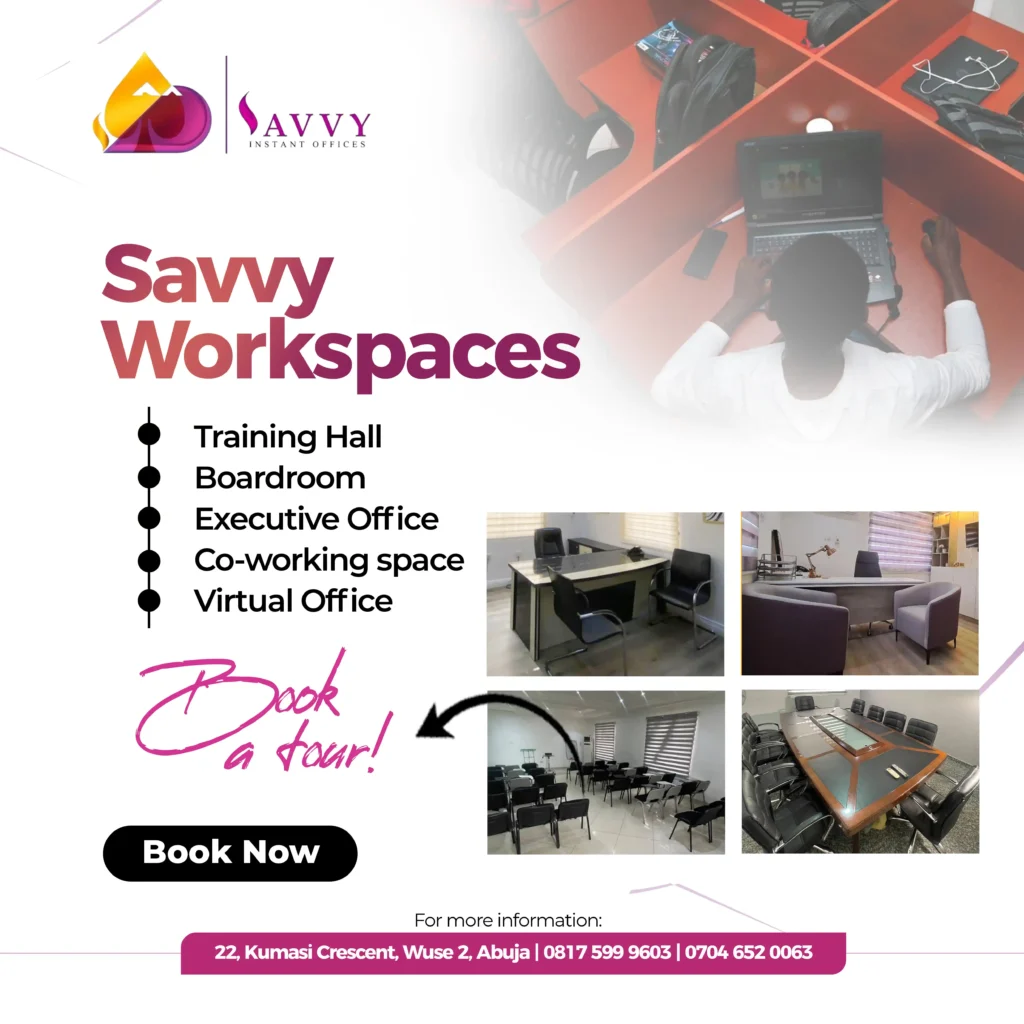
Savvy Virtual Office Plan Is Here To Help You Save Money.
With professional business solutions, flexible office services, and cost-effective plans, Savvy instant offices helps businesses maintain a professional image without the financial burden of a traditional office space.